



MACHIAVEL, Nicholas [Machavielli].
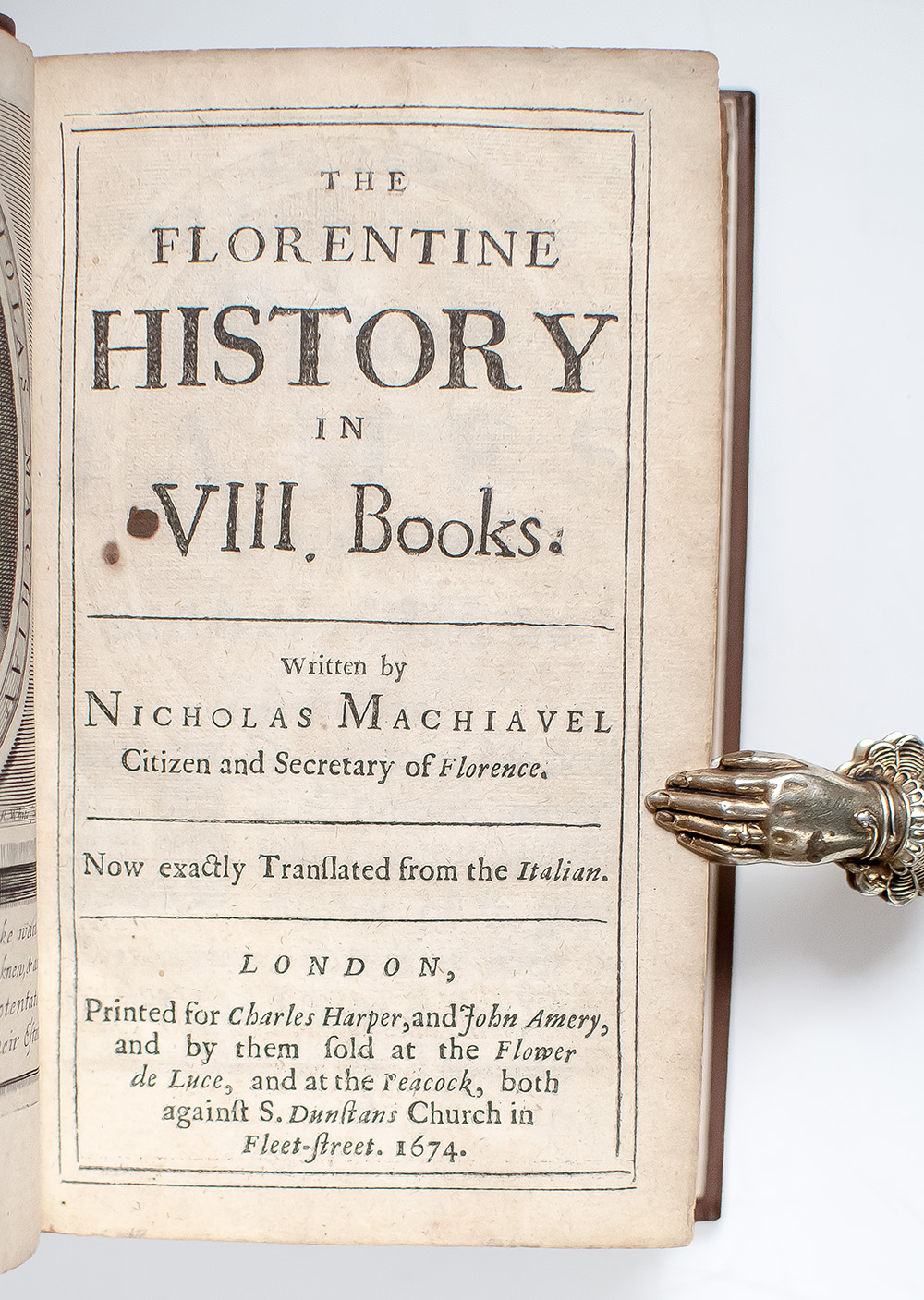
Machiavel's Florentine History.
London: Charles Harper and John Amery , 1674.
$4,800.00
In Stock
Item Number: RRB-149757
+$500
"One who deceives will always find those who allow themselves to be deceived": Machiavel's Florentine History
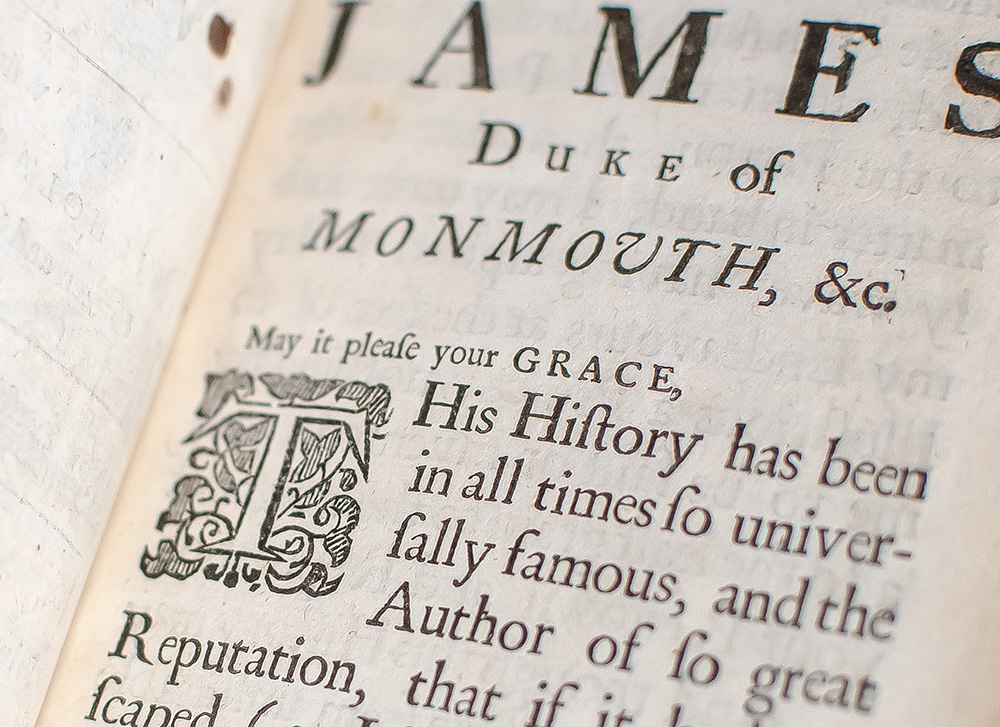
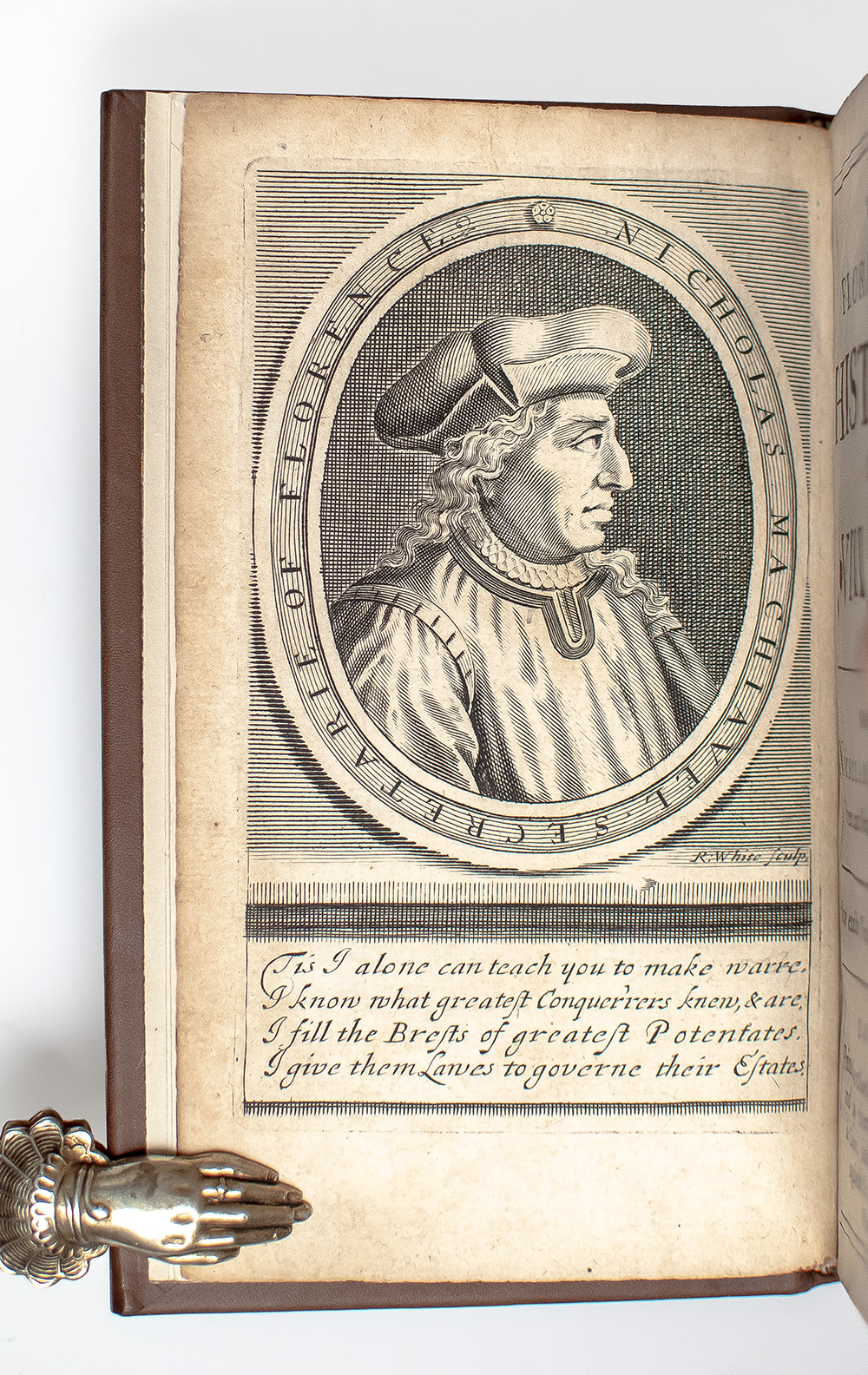
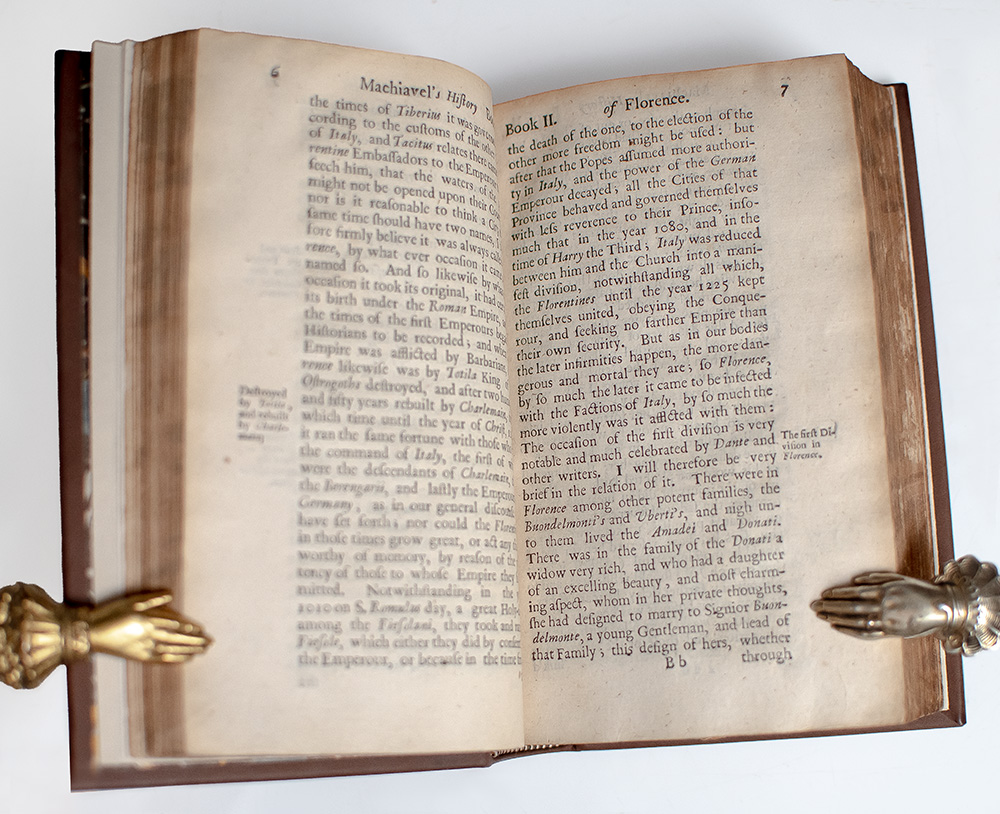
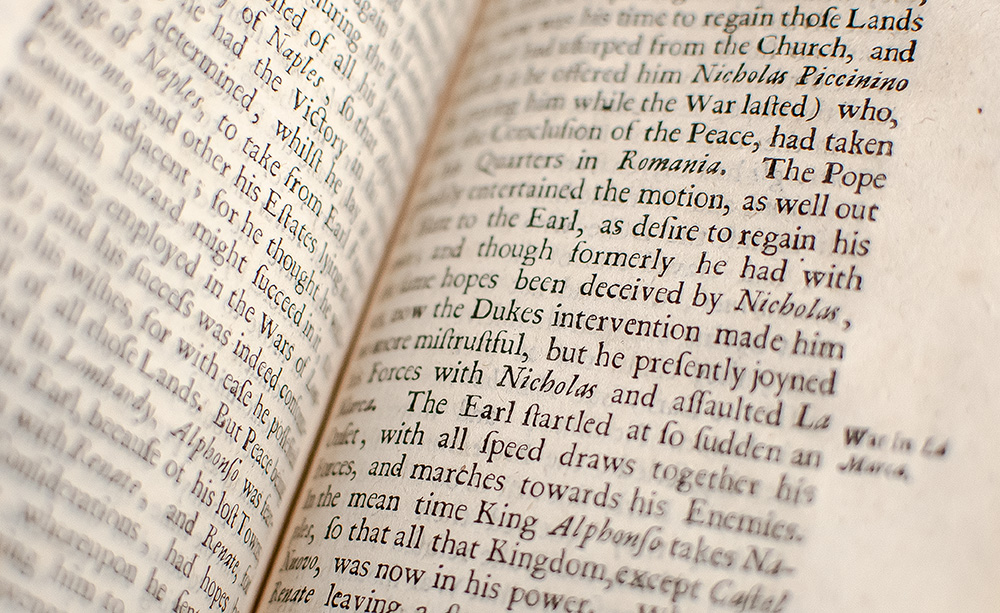
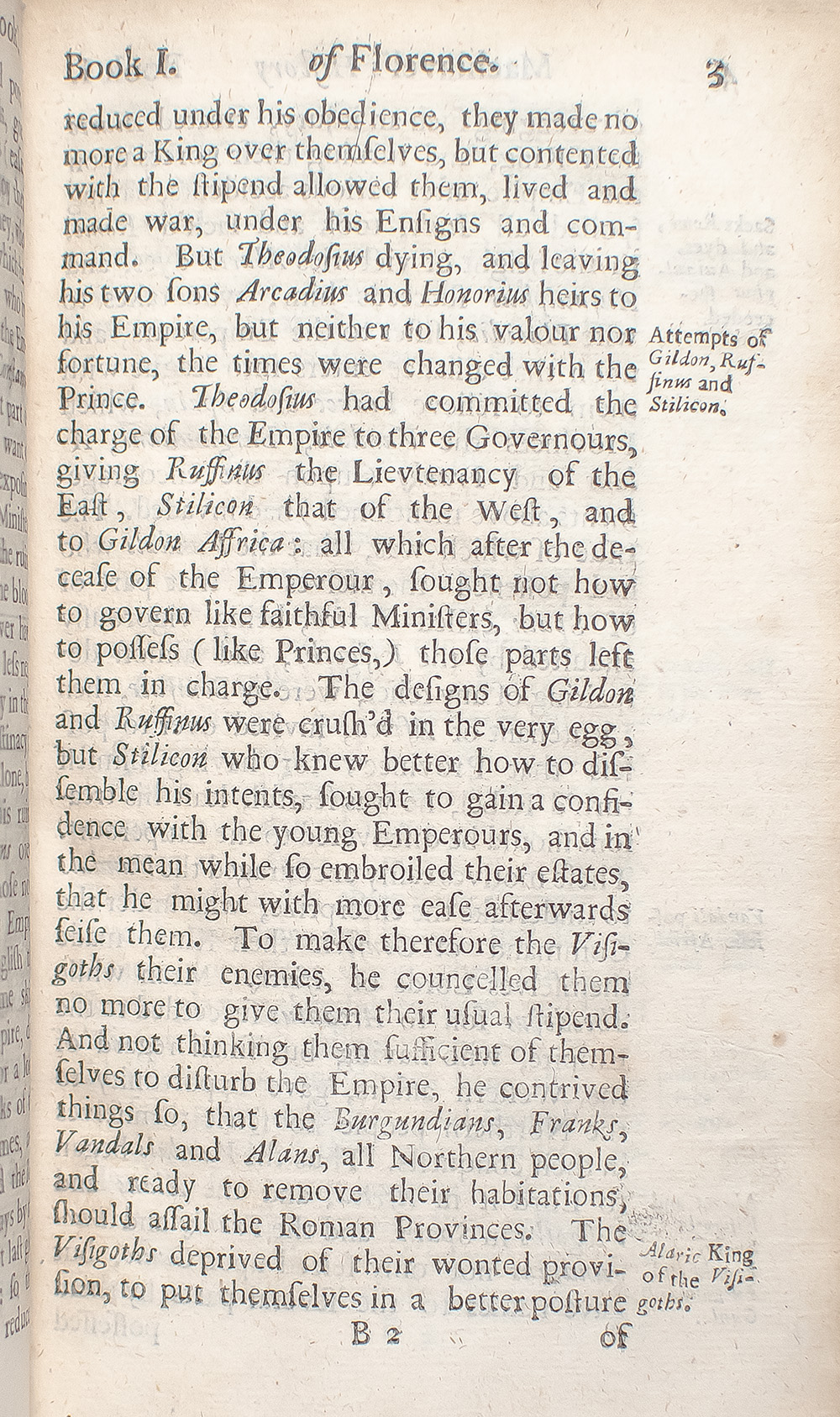
Rare second English edition of Machiavelli s Florentine History, the first edition to appear after Thomas Bedingfield s translation in 1595 of this political and historical account of Florence. Sextodecimo, bound in full leather, morocco spine label gilt titles to the spine in five compartments within raised bands, gilt ruling to the panels, all edges marbled, marbled endpapers, frontispiece. In very good condition.
Florentine Histories is a historical account by Italian Renaissance political philosopher and writer Niccolò Machiavelli. After the crisis of 1513, with arrests for conspiracy, torture and after being sentenced to house arrest, Machiavelli's relationship with the Medici family passively began to mend itself. If the dedication of Il Principe (1513) to Lorenzo II de' Medici had not any effect, part of the then dominant faction of the Florence was not against him, and instead granted him an appointment. In his letter he deplores of his idle state, offering his precious political experience to the new lord. To sustain that timid request Machiavelli, with a considerably courtier-like spirit, set his Mandragola for the wedding of Lorenzino de' Medici. In 1520, he was invited to Lucca for a mission of a semiprivate character, indicating that the ostracism was to be raised up. At the end of that year, Giulio Cardinal de Medici commissioned him to write a History of Florence. Although this was not exactly the charge he desired, Machiavelli accepted it as the only possible way to come back into the graces of the Medici. The intent of the work, although semi-officially, was to recover the city's charge of historic officiality. The wage for the appointment was not large (57 florins per year, later increased to 100). The finished work was presented officially to Giulio de' Medici, now Pope Clement VII, in the May 1526. The Pope liked the work and rewarded him, albeit moderately, and asked him support in the creation of a national army, on the wake of his theorical work The Art of War, in the preparations for the War of the League of Cognac. However, after the Sack of Rome (1527) and the fall of the Medici government in Florence, Machiavelli's hopes were dashed. Machiavelli would die soon afterwards.
Machiavel's Florentine History.
$4,800.00
In Stock
Other Books by this Author