Genesis of the Civil War: The Story of Sumter 1860-1861.
CRAWFORD, Samuel Wylie.
Genesis of the Civil War: The Story of Sumter 1860-1861.
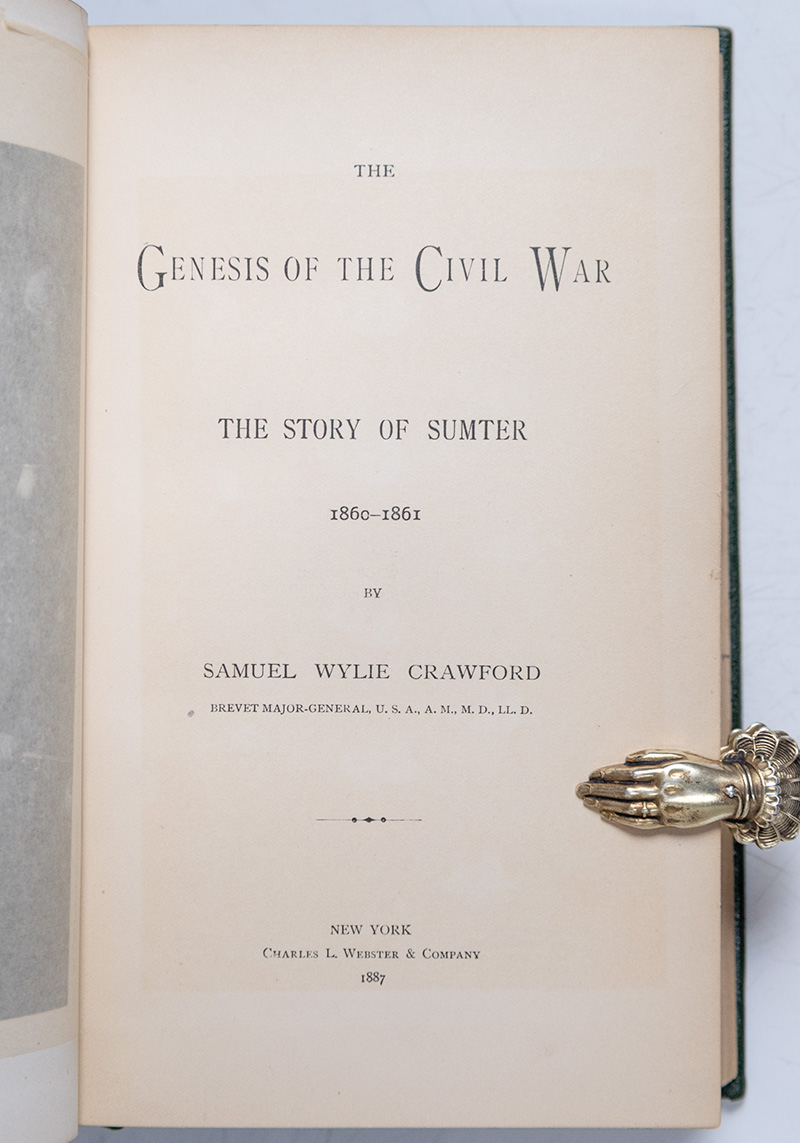
Rare First Edition of Samuel Wylie Crawford's Genesis of the Civil War: The Story of Sumter
New York: Charles L. Webster & Company, 1887.
We're sorry, this item has sold.
Out of Stock
Item Number: 151419
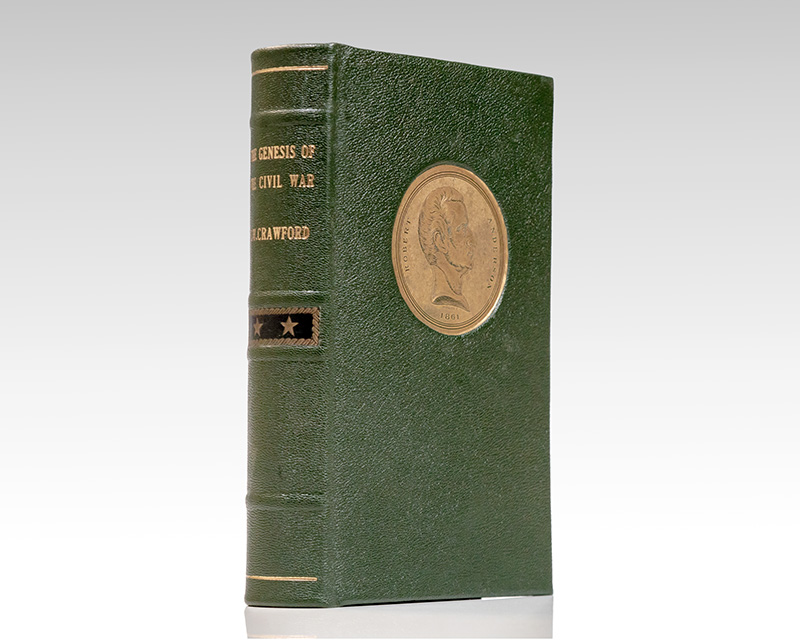
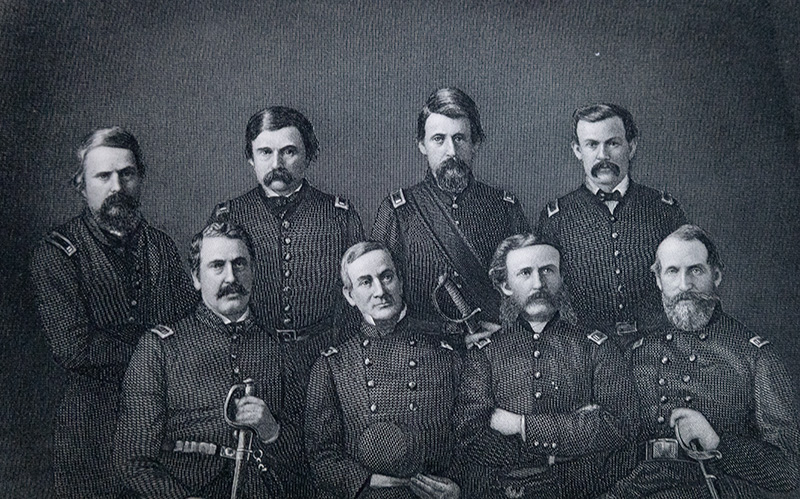
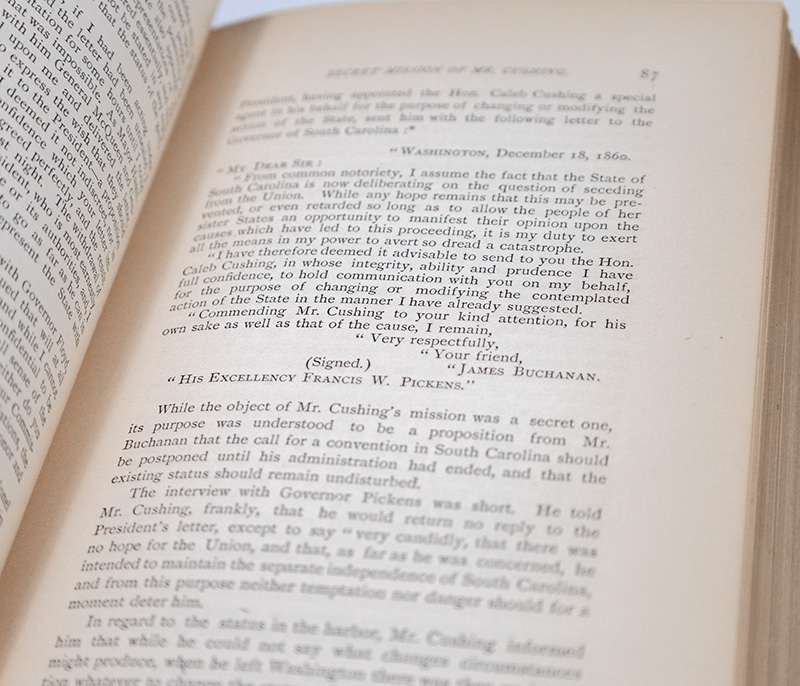
Rare first edition of this classic work on the genesis of The Civil War. Octavo, bound in full green leather with gilt titles to the spine in four compartments within raised bands, vignette stamped in gilt to the front panel, marbled endpapers, silk ribbon bound in, illustrated with tissue-guarded frontispiece, plans, and map. The publishing firm Charles L. Webster & Co. was founded in 1884 by Mark Twain, together with his business partner (and niece’s husband) Charles Webster, initially to publish Twain’s own works, beginning with Adventures of Huckleberry Finn in 1885. That same year, Twain secured the contract to publish Ulysses S. Grant‘s Memoirs – a runaway success that launched the firm into producing the memoirs of other leading Civil War generals. In fine condition with toning to the textblock. The scarcest volume in the ‘Shoulder Strap’ series.
The scarcest of the "Shoulder Strap" series of the Civil War histories, named for each volume's gilt-decorated spine band reminiscent of an officer's shoulder strap. Mark Twain partnered with Charles Webster, married to Twain's niece, in 1884 to publish his own books, starting with Huckleberry Finn in 1885. They published U.S. Grant's two-volume Memoirs to great success, and followed by sercuring other general's memoirs. "The standard thorough study of the fall of Fort Sumter, by a Federal eyewitness inside one Fort" (Nevins I, p 26). Samuel Crawford was born in Franklin County, Pennsylvania. He graduated from the University of Pennsylvania in 1846 and the University of Pennsylvania School of Medicine in 1850, joined the U.S. Army as an assistant surgeon in 1851 and served in that capacity for ten years. Transferring to the infantry early in the war, he led a brigade at Cedar Mountain which routed a division that included Stonewall JacksonÕs unit, though it was later driven back. Severely wounded at Antietam, he was back in action at Gettysburg, where his division drove the Confederates out of ÔDeath ValleyÕ beside Little Round Top, with Crawford dramatically seizing the colors and leading from the front. Although this was a relatively minor engagement, Crawford tried for years to become officially acknowledged as the sole savior of Gettysburg, but without success. The preservation of the battlefield, however, is largely due to his efforts.